.png)
Reformer Pilates, Yoga and Sound Bath The Perfect Trio for Mind Body Balance
A strong body is brilliant. A calm nervous system is just as valuable. The real magic happens when movement, breath and rest work together.
That is why reformer Pilates, yoga and sound bath sessions make such a powerful trio. Each one supports the body in a different way. Reformer Pilates builds strength, control and alignment. Yoga adds mobility, breath awareness and mind-body connection. A sound bath gives the nervous system space to settle.
On their own, each practice has clear benefits. Together, they create a balanced routine that can help you feel stronger, more mobile, more grounded and less switched on all the time.
This guide breaks down what each practice does, how they differ, and how to combine them with your regular reformer Pilates sessions in a way that feels realistic and supportive.
This article is for general wellbeing information only. If you have an injury, health condition, are pregnant, or are returning to movement after time away, speak with a qualified professional before starting a new routine.

Why reformer Pilates, yoga and sound bath sessions work so well together
Plenty of people start with one practice and then discover that something else is missing.
A regular reformer Pilates routine may help you feel stronger, more upright and more connected to your core. But some days, the body needs slower stretching, longer holds or deeper breathing. That is where yoga fits beautifully.
Yoga may help you build mobility, body awareness and calm. But if you want more resistance, support and structured strength work, reformer Pilates brings that missing piece.
Then there is the sound bath. This is the soft landing. After all the strengthening, stretching and doing, a sound bath invites the body to practise receiving. You lie down, get comfortable and listen as sounds from bowls, gongs or other instruments create a calming sensory experience.
The three practices complement each other because they have different jobs.
Practice | Main focus | How it feels | Best for |
Reformer Pilates | Strength, control and alignment | Precise, supported and focused | Building core strength, improving posture and training balanced movement |
Yoga | Mobility, breath and body awareness | Flowing, grounding or restorative, depending on the class | Improving flexibility, easing tension and connecting movement with breath |
Sound bath | Rest, reflection and nervous system support | Still, immersive and deeply restful | Slowing down, reducing mental noise and supporting recovery |
A well-rounded wellness routine does not need to be intense every day. In fact, it works better when it includes both effort and recovery. Reformer Pilates gives the body intelligent challenge. Yoga brings space and flow. Sound bath sessions support rest and integration.
Think of it as training the whole self, not just the muscles.
What reformer Pilates brings to the trio
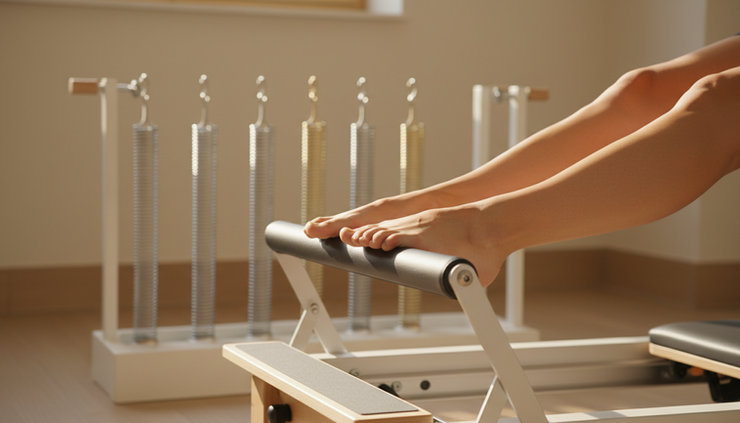
Reformer Pilates uses a specialist machine with springs, straps and a moving carriage. The springs create resistance, while the carriage challenges control, stability and coordination. It can look graceful from the outside, but anyone who has held a slow lunge or controlled a carriage return knows how much focus it takes.
The reformer is popular because it can be both supportive and challenging. The springs can assist a movement, making it more accessible, or add resistance, making it harder. That makes it suitable for a wide range of levels when taught well.
It builds strength without rushing the body
Reformer Pilates often focuses on controlled, precise movement. You are not usually throwing yourself through repetitions. You are paying attention to where the movement starts, how the joints line up and whether the core is supporting the body well.
This kind of strength work can be especially useful for:
The deep abdominal muscles
Glutes and hips
Back and postural muscles
Shoulders and arms
Inner thighs and stabilising muscles
Because the springs create steady resistance, the body works through both the effort and the return. That helps build control through the full range of movement.
For example, pressing the carriage out in footwork may look simple. But the ankles, knees, hips, pelvis and spine all need to work together. The aim is not just to push hard. The aim is to move with awareness.
It supports posture and alignment
Modern life often places the body in repeated positions. Sitting, driving, carrying bags, looking down at phones and working at screens can all influence posture. Reformer Pilates can help by strengthening the muscles that support better alignment.
A good class may focus on:
Finding a neutral pelvis
Improving spinal mobility
Strengthening the back body
Opening the chest and shoulders
Training balanced movement on both sides
This is not about forcing a perfect posture. Bodies vary, and posture changes throughout the day. The value is in giving the body more options, more strength and more awareness.
It improves coordination and focus
The reformer asks the brain and body to work together. You might be moving the legs while keeping the pelvis steady. You might be pulling straps while controlling the ribs. You might be balancing on a moving carriage while staying calm enough to breathe.
That mix of concentration and movement can be deeply absorbing. Many people enjoy reformer Pilates because it gives the mind something clear to focus on. It is physical, but also mentally engaging.
This is one reason it pairs so well with yoga and sound bath sessions. Reformer Pilates wakes up the body and sharpens attention. Yoga softens and lengthens. Sound allows everything to settle.
What yoga adds to a regular reformer Pilates routine
Yoga is an umbrella term for many styles and traditions. Some classes are strong and flowing. Others are slow, meditative and floor based. At the heart of many modern yoga classes is the link between posture, breath and awareness.
That makes yoga a natural partner for reformer Pilates.
Where reformer Pilates often works with spring resistance and precise alignment, yoga uses body weight, breath and time in postures. It can create a different kind of strength. It also gives more space to mobility, stillness and inward focus.
It encourages mobility and flexibility
Reformer Pilates can improve range of movement, but yoga often spends more time exploring length, opening and release. This can feel especially good if the body feels tight after strength work.
Yoga may support mobility in areas such as:
Hips
Hamstrings
Spine
Chest
Shoulders
Calves and ankles
The benefit is not just “getting flexible”. Flexibility without control is not always useful. A well-taught yoga class builds awareness of where the body can move freely and where it needs patience.
For someone who attends reformer Pilates regularly, yoga can help balance the effort of strengthening with the ease of lengthening. It may also reveal movement habits. For example, one hip might feel more open than the other, or the breath might become held during certain poses.
That awareness can feed back into reformer Pilates sessions. The more you understand how your body moves, the more precise your Pilates work becomes.
It teaches breath as a tool
Breath is used in both Pilates and yoga, but the emphasis can feel different.
In reformer Pilates, breath often supports effort, timing and core engagement. In yoga, breath may become the central thread of the whole class. You might move with the breath, hold a posture while breathing steadily, or use breathing techniques to calm the body.
This matters because many people unconsciously hold their breath when concentrating or working hard. Yoga helps bring the breath back into the practice.
Steady breathing can support:
Better focus during movement
A calmer response to challenge
More awareness of tension
A smoother transition into rest
When you take that breath awareness back to reformer Pilates, difficult exercises can feel more controlled. Instead of bracing and gripping, you learn to breathe through effort.
It gives the mind a slower rhythm
Some days call for strength. Some days call for softness. Yoga can offer both, depending on the class.
A dynamic vinyasa or ashtanga-inspired class may feel strong and energising. A hatha class may feel steady and balanced. Yin or restorative yoga may be quiet, slow and deeply grounding.
This range makes yoga easy to place around reformer Pilates.
If your reformer session is intense, a slower yoga class can help the body unwind. If your reformer session is more technical or gentle, a stronger yoga flow might add heat and energy. If life feels stressful, restorative yoga can act as a bridge between movement and deep rest.
The key is to choose the class that matches what your body needs, rather than doing the hardest option by default.
What a sound bath brings that movement cannot
A sound bath is not a workout. That is exactly why it belongs in the trio.
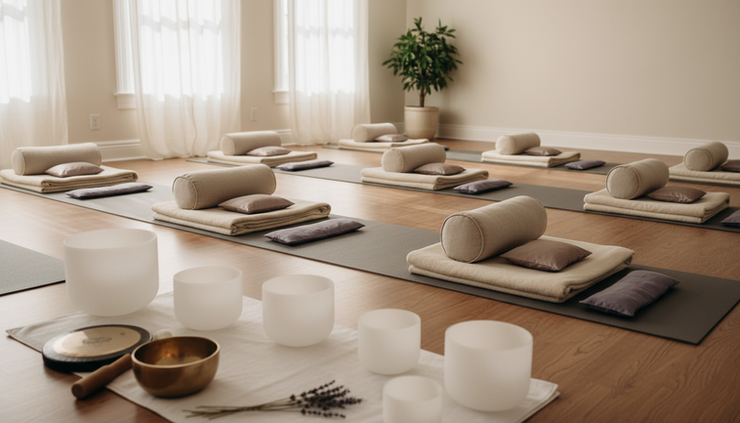
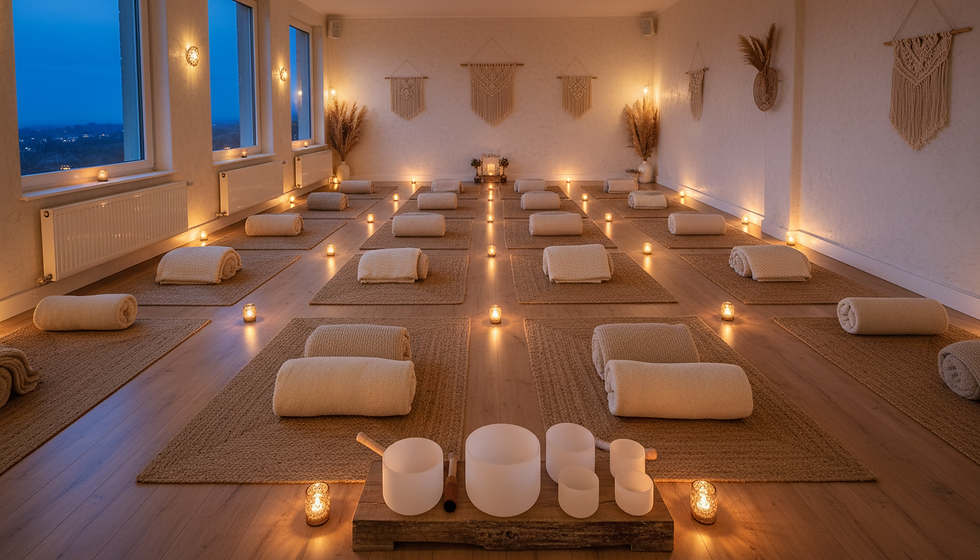
During a sound bath, you usually lie down or sit comfortably while a practitioner plays instruments such as singing bowls, gongs, chimes or drums. The sound washes through the space, creating an immersive listening experience.
There is no choreography to follow. No shape to perfect. No spring to control. The practice is stillness.
For people who are used to always doing, a sound bath can feel unfamiliar at first. The mind may wander. The body may fidget. Then, often, something shifts. The breath slows. The jaw softens. The shoulders drop. The body remembers that rest is allowed.
It supports recovery and rest
Recovery is not laziness. It is part of training well.
When the body strengthens during exercise, it also needs time to repair and adapt. Good sleep, balanced food, hydration and rest all play a role. A sound bath can be one way to create a deliberate pause in the week.
By lying still and listening, the body has a chance to move out of constant alertness. Many people find sound bath sessions calming, especially when paired with blankets, bolsters and a quiet room.
The benefits can be simple but meaningful:
A feeling of deep rest
Less mental chatter for a while
More awareness of the body
A calmer end to a busy day
A gentle way to practise stillness
A sound bath should not be treated as a medical treatment. But as a wellbeing practice, it can be a lovely way to support relaxation and recovery.
It helps integrate physical practice
After a strong reformer Pilates session or yoga class, the body may feel open, warm and alert. A sound bath gives that work time to land.
This is one of the most valuable parts of combining the three practices. Movement can bring things to the surface. Stillness gives space to notice.
You might become aware of tiredness you have been ignoring. You might notice that your breath feels easier. You might simply enjoy being still without needing to fix anything.
That integration is part of mind body balance. The body does not just need better strength or deeper stretches. It also needs quiet moments where nothing is being demanded of it.
How reformer Pilates, yoga and sound bath sessions compare
The easiest way to understand the trio is to compare what each practice asks of you.
Reformer Pilates asks for control.
Yoga asks for connection.
Sound bath asks for surrender.
Those are different skills. All three are valuable.
Movement and intensity
Reformer Pilates is usually the most structured and resistance-based of the three. You work with springs, a moving carriage and specific exercises. The class may be slow and controlled, but it can still be physically demanding.
Yoga varies more. Some styles are strong and sweaty. Others are gentle and quiet. Because there are so many types of yoga, the intensity depends heavily on the class style and teacher.
Sound bath sessions are not physically intense. The body rests while the mind listens. The challenge is less muscular and more about allowing stillness.
Area | Reformer Pilates | Yoga | Sound bath |
Physical effort | Moderate to high, depending on class | Gentle to high, depending on style | Very low |
Main skill | Control and stability | Breath and awareness | Rest and listening |
Equipment | Reformer machine, springs and straps | Mat, sometimes blocks, straps or bolsters | Bowls, gongs, chimes, mats and blankets |
Pace | Controlled and precise | Slow, steady or flowing | Still and spacious |
Best feeling after | Strong, aligned and focused | Open, grounded and connected | Rested, calm and settled |
Strength and flexibility
Reformer Pilates is excellent for building strength with support. The springs create resistance in a way that can be adjusted for different bodies and levels. It works particularly well for core strength, glute strength, postural support and controlled movement.
Yoga can also build strength, especially in standing poses, balances and weight-bearing shapes such as plank or downward-facing dog. But it often places more emphasis on mobility, breath and time in positions.
Sound bath sessions do not build physical strength or flexibility in the same way. Their value sits in rest, sensory experience and nervous system calm.
This difference matters because many people try to make one practice do everything. A reformer class may not give the same quiet release as yin yoga. A sound bath will not replace strength training. A yoga flow may not offer the same targeted spring resistance as the reformer.
That is why the trio works. Each practice has a lane.
Mind and nervous system
All three practices can support mental wellbeing in different ways.
Reformer Pilates can focus the mind through precision. When you are coordinating breath, springs, limbs and alignment, there is not much room for distraction. This can create a refreshing mental reset.
Yoga often supports the mind through breath and mindful movement. The class may invite reflection, patience and a softer kind of attention.
Sound bath sessions are more passive. The sound gives the mind something to rest on, which may make stillness feel easier than silent meditation for some people.
If sitting in silence feels difficult, a sound bath can be a helpful entry point into rest. The sound creates a gentle anchor. You do not have to clear your mind. You simply listen.
Which is best
The honest answer is that none is better in every way. They serve different needs.
Choose reformer Pilates when you want:
Strength and muscle tone
Core control
Better movement patterns
A focused physical challenge
Supportive resistance training
Choose yoga when you want:
Mobility and flexibility
Breath awareness
A balance of strength and softness
A grounded movement practice
Time to reconnect with your body
Choose a sound bath when you want:
Deep rest
A calmer evening routine
A pause from physical effort
Support after a busy week
A quiet way to reset
The best practice is the one that matches your body on that day. Over a week or month, the best routine may include all three.
How to create the perfect trio in your weekly routine
A balanced routine does not need to be packed. More classes do not always mean better results. The aim is to create a rhythm that supports your life, energy and recovery.
If reformer Pilates is already your regular anchor, yoga and sound bath sessions can fit around it without overwhelming your schedule.
Start with your reformer Pilates foundation
If you already attend reformer Pilates once or twice a week, keep that as your base. It gives structure and consistency. Over time, that consistency can help with strength, posture and confidence in movement.
A simple weekly rhythm might look like this:
Weekly focus | Example routine |
Gentle balance | 1 reformer Pilates class, 1 yoga class, 1 sound bath |
Strength and mobility | 2 reformer Pilates classes, 1 yoga class |
Recovery week | 1 reformer Pilates class, 1 restorative yoga class, 1 sound bath |
Active routine | 2 reformer Pilates classes, 1 yoga class, 1 sound bath when needed |
This is only a guide. The right rhythm depends on your body, stress levels, sleep, work, caring responsibilities and other forms of exercise.
A good rule is to notice how you feel two hours after class and the next morning. If you feel clearer, steadier and pleasantly tired, the balance may be working. If you feel depleted, irritable or constantly sore, your routine may need more recovery.
Pair strong days with softer days
Try not to stack intense classes without a reason. A strong reformer session followed by a powerful yoga flow can feel great for some people, but it may be too much if recovery is already low.
A more balanced approach could look like:
Reformer Pilates on Monday
Gentle yoga or mobility on Wednesday
Reformer Pilates on Friday
Sound bath or restorative yoga on Sunday
This gives the body variety. It also trains different qualities across the week.
Strength needs recovery. Flexibility needs patience. Rest needs practice.
Use yoga to support what you notice in Pilates
Reformer Pilates can reveal patterns. Maybe your hips feel tight during feet in straps. Maybe your shoulders tense during arm work. Maybe one side feels less stable in lunges.
Yoga can help you explore those areas more slowly.
For tight hips, a gentle yoga class with low lunges, pigeon variations or supported hip openers may feel useful.
For upper body tension, look for classes that include shoulder mobility, chest opening and slow breathing.
For general stiffness, a hatha or slow flow class can help the whole body move without the structure of the reformer.
The aim is not to chase extreme poses. It is to build comfort, awareness and range.
Use sound bath sessions when the body feels full
A sound bath fits beautifully at the end of a week, after a busy period, or during a recovery phase. It can also work after a gentle yoga class, creating a complete movement and rest experience.
Some studios offer yoga and sound together, often with restorative postures followed by sound. This can be a lovely entry point if a full sound bath feels unfamiliar.
Bring layers if the room is cool. The body temperature can drop during stillness. An eye pillow, socks and a blanket can make the experience more comfortable.
If you are sensitive to sound, pregnant, have certain neurological conditions, or live with trauma responses, speak with the teacher before class. A good practitioner can explain what to expect and help you choose a comfortable place in the room.
The benefits of combining all three practices
When reformer Pilates, yoga and sound bath sessions work together, the benefits can feel broader than any single class.
The body gets stronger, but not tighter.
The breath becomes steadier, not forced.
The mind gets time to focus, then time to release.
A more balanced body
Reformer Pilates strengthens and stabilises. Yoga lengthens and mobilises. Sound bath sessions encourage rest, which supports recovery from physical effort.
That balance can help reduce the common cycle of doing too much, feeling stiff, pushing harder, then burning out. Instead, each practice answers a different need.
A balanced body is not one that is always relaxed or always strong. It is one that can shift between effort and ease.
Better body awareness
All three practices build awareness in different ways.
During reformer Pilates, awareness may come through precision. You notice whether your pelvis is steady, whether the ribs are flaring, whether both legs are pressing evenly.
During yoga, awareness may come through sensation. You notice stretch, resistance, breath and emotional tone.
During a sound bath, awareness may come through stillness. You notice where the body holds tension when there is nothing to do.
This awareness can change how you move through daily life. You may notice when you are clenching your jaw, gripping your shoulders or holding your breath. You may become better at choosing what the body needs.
A sounder relationship with rest
Many people find it easier to work hard than to rest well. Rest can feel unproductive, especially when life is busy. A sound bath helps make rest intentional.
This can be particularly helpful for people who love reformer Pilates because it gives clear goals and feedback. The sound bath offers a different kind of practice, one where the aim is not achievement.
Rest is a skill. Stillness is a skill. Receiving support is a skill.
The more often you practise them, the less strange they feel.
A routine that feels sustainable
The best wellness routine is one you can keep returning to. If every session is intense, the routine may become hard to maintain. If every session is gentle, you may miss the strength and challenge your body enjoys.
The trio creates variety.
A week with reformer Pilates, yoga and a sound bath can feel complete without feeling punishing. It gives you strength, mobility and recovery. It also keeps things interesting, which makes consistency easier.
How to choose the right classes
Not every class will suit every body. The teacher, style, pace and environment all matter.
For reformer Pilates, look for clear instruction, safe progressions and attention to alignment. A good class should feel challenging but not chaotic. If you are new, start with beginner-friendly sessions before moving into faster or more advanced classes.
For yoga, choose the style that matches your goal. If you want movement and heat, try flow yoga. If you want steady stretching and breath, try hatha. If you want deep release, try yin or restorative yoga.
For sound bath sessions, look for a calm environment and a practitioner who explains what will happen. You should feel able to adjust your position, use props and step out if needed.
A supportive class has a few signs:
The teacher offers options
The pace feels clear
You are encouraged to listen to your body
Rest is treated as valid
You leave feeling better connected to yourself
You do not need to be flexible for yoga. You do not need to be strong for reformer Pilates. You do not need to be good at meditation for a sound bath.
You only need to begin where you are.

The takeaway for mind body balance
Reformer Pilates, yoga and sound bath sessions make the perfect trio because they do not all try to do the same thing.
Reformer Pilates brings strength, structure and control.
Yoga brings breath, mobility and connection.
Sound bath sessions bring rest, stillness and recovery.
Together, they create a routine that supports the whole body and the quieter parts of wellbeing too. You move with purpose, breathe with more awareness and give yourself permission to rest.
Start simple. Keep your regular reformer Pilates session as the foundation. Add one yoga class when the body needs space and one sound bath when the mind needs quiet. Over time, the trio can become a steady rhythm that helps you feel stronger, calmer and more at home in your body.


Comments